
The Carter County Most Wanted Program
The Sheriff's Most Wanted page is a public-safety program, not a full warrant database or a court docket. Carter County readers should see it as one channel among several. The page offers search controls, a legal disclaimer, and a pointer back to the Sheriff for information. That makes it useful for one thing above all: understanding the Sheriff's public outreach and reporting a safe tip. It cannot settle a legal question about any person, and it does not replace the issuing court on warrant status. No names, photos, aliases, addresses, or case amounts from the program belong reproduced here. Go to the official page itself for anything current.
Carter County Most Wanted Disclaimer
The Sheriff's own warning deserves a close read. Information on the Carter County program may not be current for legal purposes. Accounts can be satisfied before the next routine update, amounts are approximate, and no one should act on a record alone. The page also tells readers plainly not to attempt an apprehension. These limits explain why both presence and absence call for confirmation. A matching public card means a call to the Sheriff or the issuing court through an official contact route. No card at all means a check with OSCN, the Court Clerk, or the city court that may hold the file.
Do not act on a card alone. Confirm current status with the official agency or court, and never attempt to apprehend anyone.
How the Lists Work
What the Sheriff publishes is a selected program list, not a county-wide roster. Its filters cover race, eye color, bond amount, sex, hair color, last known location, aliases, and wanted-for. Handy controls, but they prove nothing about coverage. There is no guarantee that every Carter County court or municipal court record feeds the same database. Updates also run on a routine schedule rather than instantly, so a court recall, payment, or satisfaction can land before the public interface catches up. The official program link is the right place to view the current controls. For status, the issuing court still has the last word. A safe write-up frames the controls, disclaimer, and tip banner only.
Carter County Most Wanted Program
The right public treatment is describe and link. Follow the official Most Wanted program for its current interface, warning, and tip direction, and skip copying any roster, card, or identifying detail into another page. The Sheriff also keeps a separate tip form on its site. That form exists for incident information and public-safety concerns. It is not a warrant-status desk, and it cannot recall a court warrant. The official page linked above shows what the program itself offers.
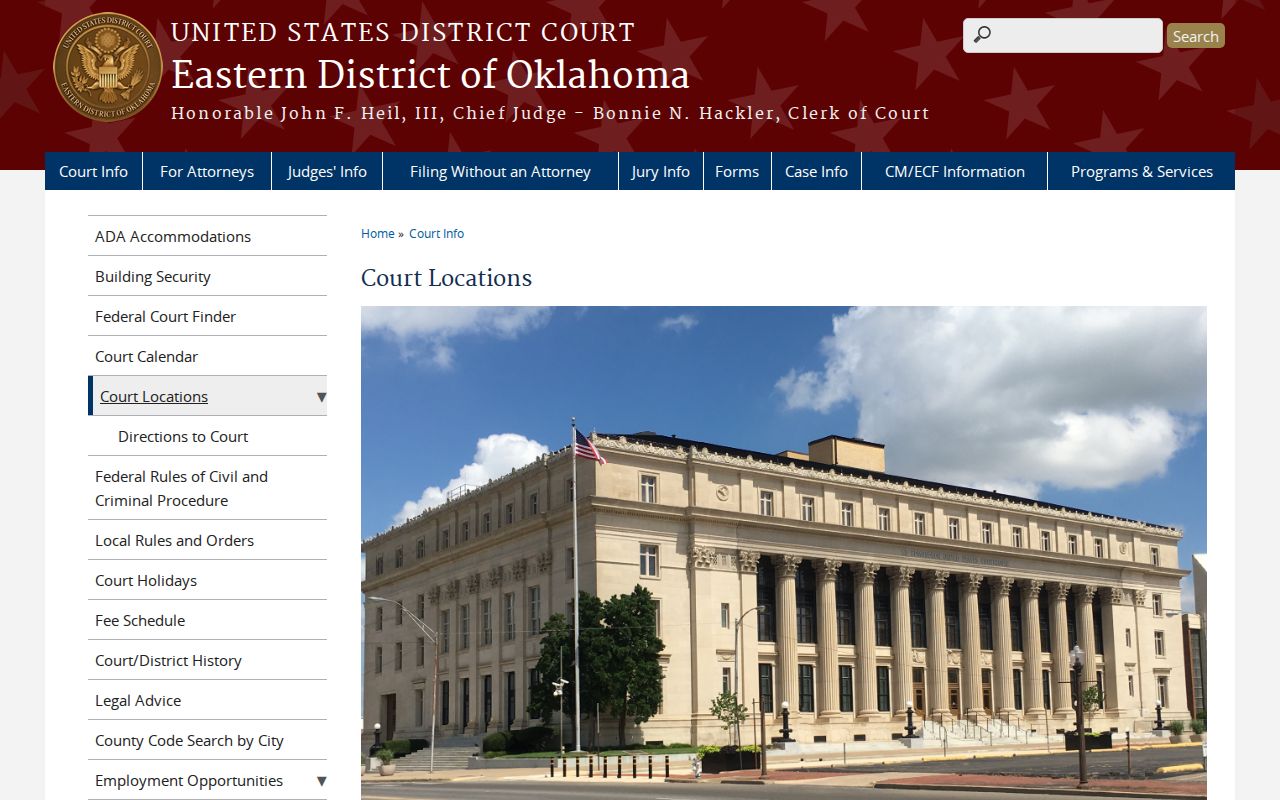
A public court source is a boundary reference, not a Most Wanted roster.
How to Report a Tip Safely
Send law-enforcement information through the Sheriff's official tip route. For a crime in progress, the Sheriff's material points to 911 or its main line, (580) 223-6014. A non-emergency tip goes through the official Carter County form, which spells out its anonymous and contactable options.
Safe tip rule: Use an official page or number, share only what you lawfully know, and do not try to follow, confront, or apprehend anyone.
A tip is not a court-status request. Someone checking on a personal case should contact the issuing court or Court Clerk. The Carter County Sheriff's page offers a public-safety route only.
Carter County Most Wanted Filters
A filter like "bond amount" or "wanted for" is just a program field. It does not fix the current amount, service status, or whether a warrant was recalled. The Carter County page's own warning says amounts are approximate and data can lag.
| Filter | Helps narrow the public program interface. |
|---|---|
| Card or image | Public presentation field, not a complete court file. |
| Bond amount | Approximate program display that needs court confirmation. |
| Update cadence | Routine refresh that may trail satisfaction or recall. |
| Tip direction | Public-safety report route, not status confirmation. |
Because the program is partial, a Carter County card and a court docket are never interchangeable.
Most Wanted vs an Active Warrant
A Most Wanted list is a selected public-safety program. An active warrant is a court process whose status only the issuing court or agency can confirm. Oklahoma has no single statewide public warrant search merging the two.
| Question | Most Wanted program | Active-warrant status |
|---|---|---|
| Purpose | Public information and tips | Current court or agency status |
| Coverage | Curated selection | Depends on court and record holder |
| Update | Routine and may lag | Confirm latest court or agency event |
| Reader action | Safe official tip route | Contact issuing court; do not act alone |
Carter County Most Wanted Bonds
The Sheriff's program warns that bond amounts are approximate. A court docket can show a bond event, while a bondsman or the clerk handles current paperwork and the accepted route. A public card is not a county fee schedule, and the Sheriff's $5 report fee is unrelated to bond. The official bondsmen page adds its own cautions: incorrect or unnotarized paperwork may be rejected, and filed cases need the correct case number. It sets no private premium, payment portal, or universal bond window. Ask the issuing court what applies in Carter County.
Carter County Federal Warrants
Carter County sits in the Eastern District of Oklahoma, so a federal warrant concern is not a Sheriff Most Wanted question. PACER may show a public federal docket, though sealed, unserved, or unindexed filings may not. The Eastern District court locations page and the PACER Case Locator lay out the federal path. These mark boundaries, not warrant lists. Use the federal court or counsel.
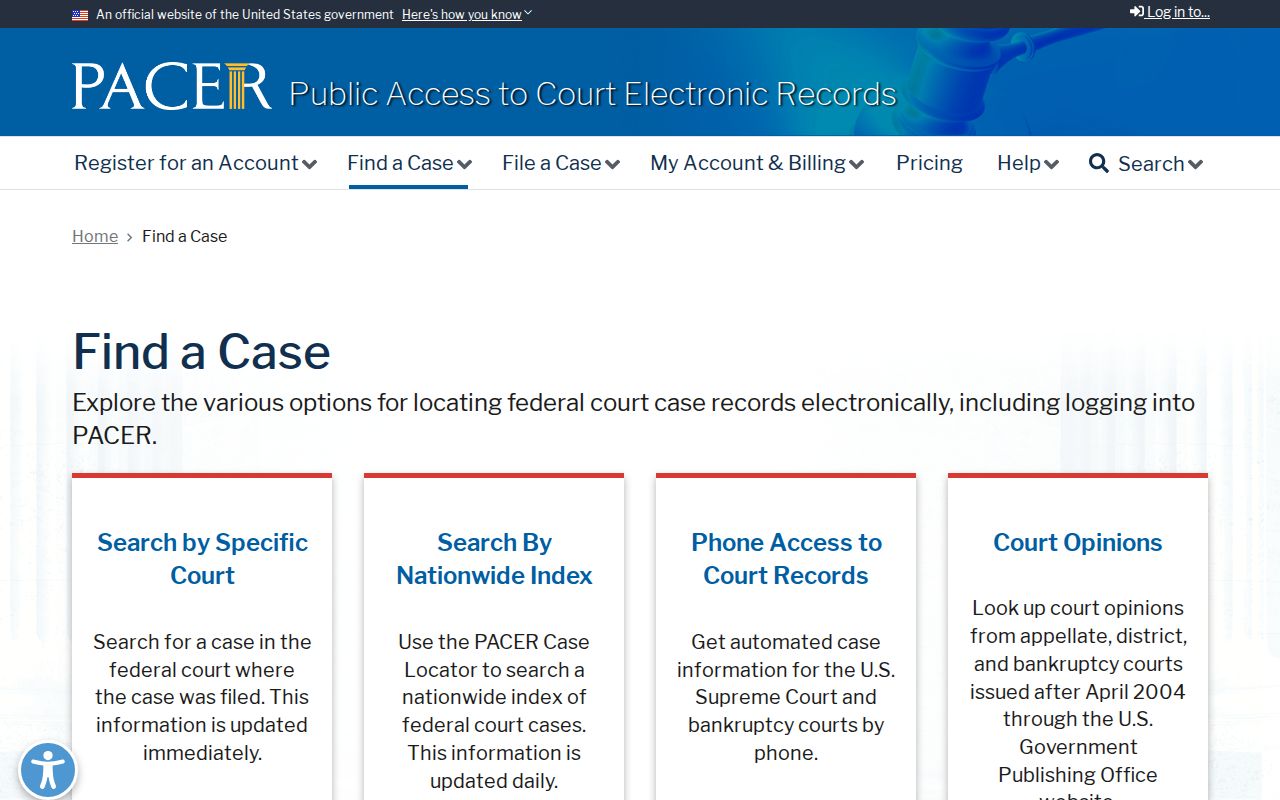
The federal search frame demonstrates why a county program cannot answer every jurisdictional question.
If You Believe You Are on a List
Start with a phone call, not a guess. The Carter County Sheriff's Office can tell you what its public program actually confirms. Ask for the issuing court on anything listed. District Court matters go through OSCN and the Court Clerk. For Ardmore, Lone Grove, Healdton, Wilson, or Springer, the municipal court that issued the warrant is the one to call, once you verify its current number. Ask about status, service, recall, bond, appearance, and counsel. Get written proof too, and never wire money to a caller; the Oklahoma Attorney General has warned about fake preemptive bail demands.
Carter County Most Wanted Access
The Oklahoma Open Records Act backs public access. It does not make every detail public. Active investigations, juvenile records, sealed material, and protected information can all be withheld. Carter County offices release what the law allows and hold back the rest.
No hosted roster: This reference describes and links the official Sheriff program only. It never republishes names, photographs, aliases, addresses, or individual cards.
Trust the official Carter County source for current public-safety information. Trust the issuing court for legal status. Keeping those two roles separate is what keeps a warrant check accurate.